
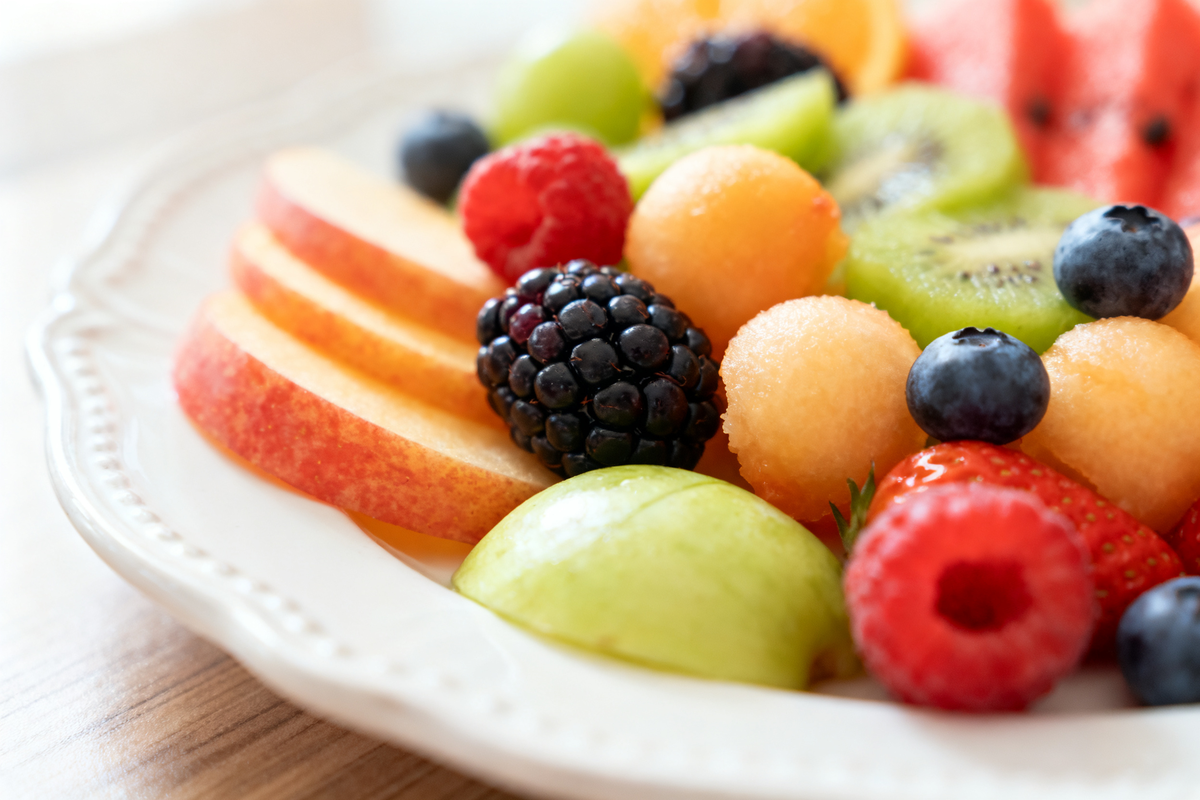
Fruits are nature's candy — they are sweet, delicious, and packed with essential vitamins, minerals, and fiber. But if you are trying to lose weight, you might wonder whether the natural sugars in fruit could hinder your progress. The good news is that fruits can be a powerful ally in your weight loss journey when chosen wisely.
Here is a comprehensive guide to the best fruits for weight loss and how they can help you achieve your goals.
Fruits are nutrient-dense, meaning they provide a high amount of vitamins and minerals relative to their calorie content. They are also rich in water and fiber, which increase feelings of fullness and reduce overall calorie intake. The natural sugars in fruit are accompanied by fiber and antioxidants that slow down sugar absorption, preventing the blood sugar spikes associated with refined sweets.
Grapefruit has long been associated with weight loss, and research supports its benefits. Studies suggest that eating half a grapefruit before meals may help reduce calorie intake and improve insulin resistance. Grapefruit is low in calories, high in vitamin C, and contains compounds that may help stabilize blood sugar levels. Its tangy flavor also helps curb sugar cravings.
Apples are among the best fruits for weight loss. They are low in calories, high in fiber, and incredibly satisfying to eat. A medium apple contains about 95 calories and 4 grams of fiber. The pectin fiber in apples slows digestion and promotes feelings of fullness. Eating an apple before a meal has been shown to reduce calorie consumption during that meal. Choose whole apples over apple juice to get the full fiber benefit.
Strawberries, blueberries, raspberries, and blackberries are all excellent choices for weight loss. Berries are low in calories and exceptionally high in fiber and antioxidants. One cup of raspberries contains 8 grams of fiber — more than most grains. Berries also have a low glycemic index, meaning they have a minimal impact on blood sugar levels. Add them to yogurt, oatmeal, or enjoy them as a sweet snack.
Watermelon is more than 90 percent water, making it one of the most hydrating and low-calorie fruits you can eat. One cup of diced watermelon contains only 46 calories. Its high water content helps you feel full while keeping you hydrated. Watermelon also contains citrulline, an amino acid that may improve exercise performance and recovery.
Kiwis are small but mighty when it comes to weight loss. One kiwi contains just 42 calories but provides 2 grams of fiber, more than 100 percent of your daily vitamin C needs, and significant amounts of vitamin K and potassium. Kiwis also contain actinidin, an enzyme that aids protein digestion. Eating kiwis before bed may even improve sleep quality due to their serotonin content.
Like apples, pears are rich in fiber and water, making them highly satiating. A medium pear contains about 100 calories and 5.5 grams of fiber. Pears are particularly rich in soluble fiber, which forms a gel-like substance in the digestive tract that slows nutrient absorption and prolongs fullness.
Oranges are another excellent low-calorie, high-fiber fruit. One medium orange provides 62 calories and 3 grams of fiber. Oranges are famous for their vitamin C content, which supports immune function and may help your body burn fat more efficiently during exercise. The thiamine in oranges also helps convert food into energy.
While technically a fruit, avocado is unique because it is rich in healthy monounsaturated fats rather than carbohydrates. Avocados are calorie-dense, but their high fiber and fat content make them incredibly satisfying. Studies have shown that adding half an avocado to a meal can significantly reduce hunger and the desire to eat for several hours. Use avocado in moderation as part of a balanced diet.
Fruits are an essential part of any weight loss diet. They satisfy sweet cravings naturally, provide vital nutrients, and support overall health. By choosing the right fruits and eating them in appropriate portions, you can enjoy their delicious taste while working toward your weight loss goals.