
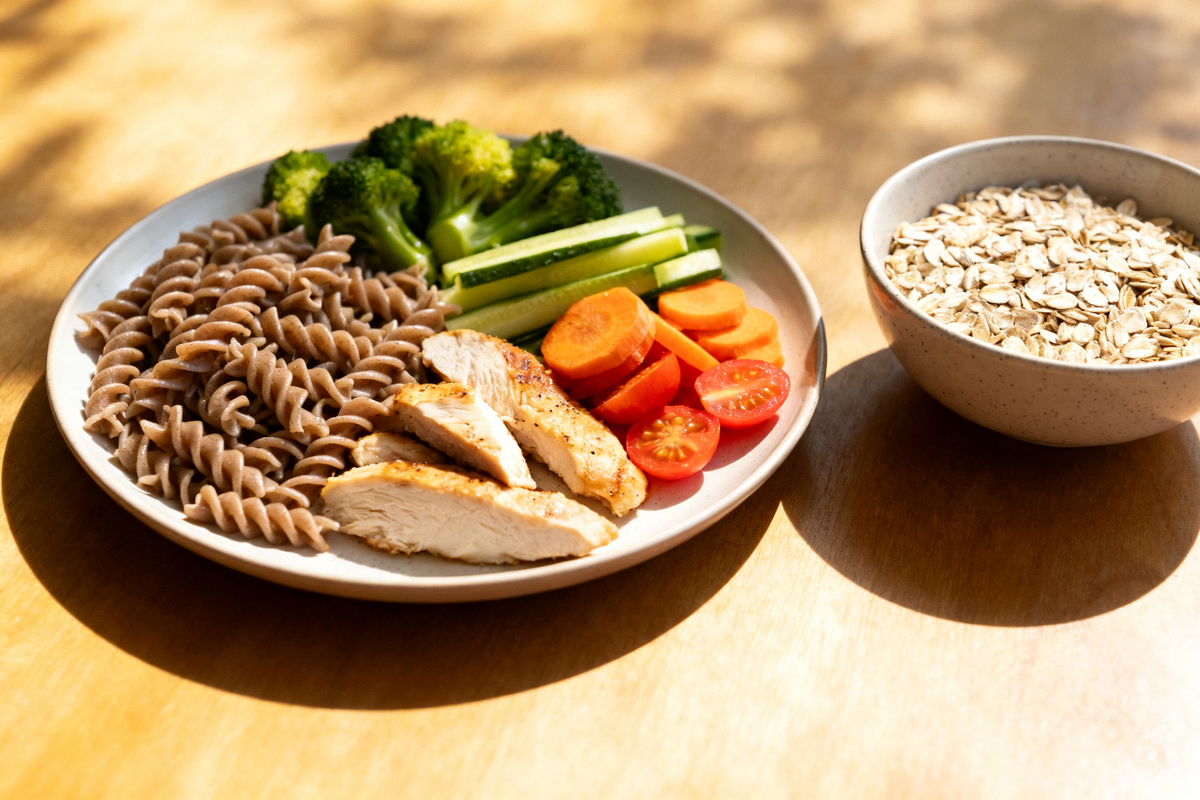
Carb cycling is a strategic approach to carbohydrate consumption that alternates between high-carb and low-carb days to optimize fat loss while maintaining muscle mass. Unlike traditional low-carb diets that restrict carbohydrates continuously, carb cycling provides the metabolic benefits of carb restriction while allowing periodic refeeds that support energy levels, workout performance, and hormonal balance. This approach has gained significant popularity among fitness enthusiasts and those looking for a sustainable long-term weight loss strategy.
Carb cycling involves alternating your carbohydrate intake on different days of the week. Typically, you have high-carb days, moderate-carb days, and low-carb days. On high-carb days, you consume more carbohydrates to fuel intense workouts and replenish glycogen stores. On low-carb days, you restrict carbohydrates to encourage your body to burn fat for fuel. This cycling prevents your metabolism from adapting to a single pattern, which can happen with traditional low-carb diets.
Carb cycling works through several mechanisms. On low-carb days, reduced insulin levels encourage your body to tap into fat stores for energy. The periodic high-carb days prevent your metabolism from slowing down and help maintain thyroid function. High-carb days also replenish glycogen stores, which supports exercise performance and prevents the fatigue often associated with continuous low-carb diets. Additionally, carb cycling helps regulate hunger hormones like leptin and ghrelin, making it easier to maintain a calorie deficit.
Monday (High Carb): Intense workout day — consume 150-200g of carbohydrates from sources like oats, sweet potatoes, brown rice, and fruits.
Tuesday (Low Carb): Rest or light cardio — limit carbohydrates to 50-80g, focusing on vegetables and a small serving of low-glycemic fruits.
Wednesday (Moderate Carb): Moderate workout — consume 100-130g of carbohydrates.
Thursday (Low Carb): Rest or light activity — 50-80g of carbohydrates.
Friday (High Carb): Intense workout day — 150-200g of carbohydrates.
Saturday (Moderate Carb): Active recovery — 100-130g of carbohydrates.
Sunday (Low Carb): Complete rest — 50-80g of carbohydrates.
On high-carb days, focus on nutrient-dense carbohydrate sources: oats, sweet potatoes, quinoa, brown rice, whole grain pasta, bananas, berries, and legumes. Combine these with lean protein sources and healthy fats for balanced meals.
On low-carb days, prioritize non-starchy vegetables like leafy greens, broccoli, cauliflower, zucchini, and bell peppers. Include adequate protein from chicken, fish, eggs, and tofu. Healthy fats from avocado, olive oil, nuts, and seeds become more important for satiety and energy.
Carb cycling offers several advantages over traditional diets. It provides flexibility that makes it easier to stick with long term. The high-carb days allow you to enjoy foods that are typically restricted on low-carb diets, making the plan more sustainable socially and psychologically. Carb cycling can also improve insulin sensitivity, support athletic performance, and prevent the metabolic slowdown that often accompanies prolonged calorie restriction.
Beginners often make several mistakes when starting carb cycling. One common error is overeating on high-carb days, turning them into unrestricted "cheat days." Another is not adjusting carbohydrate intake based on activity levels — your most active days should align with your highest carb days. Some people also fail to maintain adequate protein intake on low-carb days, which can lead to muscle loss. Finally, neglecting healthy fats on low-carb days can leave you feeling unsatisfied and hungry.
Carb cycling can be effective for many people, but it is not suitable for everyone. It works best for individuals who have a moderate to high activity level and are looking to break through a weight loss plateau. If you have a history of disordered eating, the structured nature of carb cycling may not be appropriate. As with any diet plan, consult with a healthcare professional before starting.
Carb cycling offers a sophisticated yet practical approach to weight loss that provides the benefits of both low-carb and moderate-carb eating. By strategically timing your carbohydrate intake, you can optimize fat burning, maintain muscle mass, and achieve sustainable weight loss results.